


The 2026 World Cup kicks off for both sides on 14 June at AT&T Stadium in Arlington, Texas, where Group F opens with what could be its most interesting match. Win here and you have immediate momentum in a group that also includes Sweden and Tunisia, with the top two advancing. The Netherlands arrive as favourites, with their squad depth against a 3-4-2-1 that leaves Japan with fewer defensive bodies making the structural case, yet Japan have made a compelling argument for themselves, beating England and Brazil along the way. Whether de Jong and Gravenberch can play through Japan's press before it sets will likely decide who controls this match.
Ronald Koeman and Hajime Moriyasu have never met competitively and their philosophies could hardly be more different. Koeman, in charge since 2023 and contracted through the tournament, builds around structured possession anchored by Virgil van Dijk, whereas Moriyasu, who has guided Japan since 2018, has refined a fluid 3-4-2-1 built on collective pressing and rapid transitions.
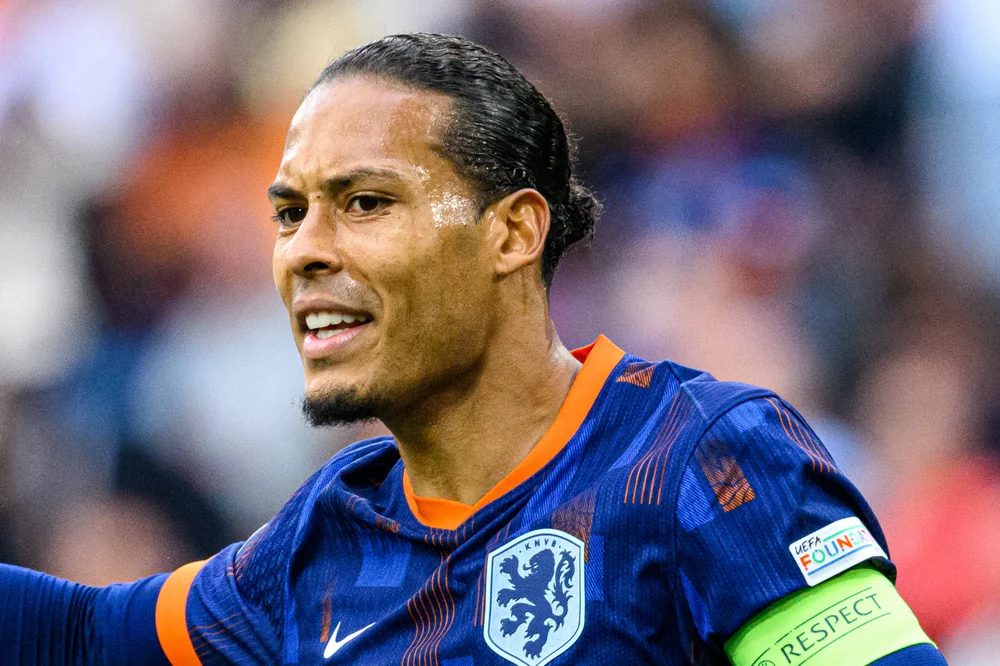
The Netherlands come in with mixed but mostly encouraging results: a 2-1 win over Uzbekistan in their last friendly, a 0-1 loss to Algeria a few days before that, plus a 1-1 draw with Ecuador and a 2-1 win over Norway from earlier, giving them six wins from their last ten internationals with only one defeat, which at least suggests they are hard to beat even when the attack is not clicking.
Japan arrive in considerably better shape, with six straight wins heading into the tournament including clean sheets against Iceland, England and Scotland. Beating England and Brazil in friendlies, even accounting for squad rotation on both sides, has validated Moriyasu's approach heading in.
Both squads are dealing with absences. The Netherlands are without Xavi Simons and Jerdy Schouten (both ACL), while Memphis Depay is doubtful with a hamstring problem and Matthijs de Ligt remains uncertain with a back issue. Koeman will choose between Bart Verbruggen and Mark Flekken in goal. Japan are missing Wataru Endo through injury and international retirement along with Kaoru Mitoma but Takehiro Tomiyasu and Ko Itakura are expected to be available despite fitness concerns earlier in camp.
The Netherlands will likely line up in a 4-3-3 with Verbruggen in goal, van Dijk leading the back four and Frenkie de Jong, Ryan Gravenberch and Tijjani Reijnders in midfield behind Gakpo, Malen and a fit again Depay. Japan should start in their 3-4-2-1 with Zion Suzuki in goal, a defensive three of Hiroki Ito, Itakura and Shogo Taniguchi, with Takefusa Kubo, Ritsu Doan and Ayase Ueda in the attacking positions.
The Netherlands will look to pin Japan back through patient possession, using van Dijk's composure and de Jong's progressive passing to force Japan's midfield into deeper recovery runs before the press can set. Dumfries matters in this matchup specifically because his overlapping runs force Japan's left wing back (likely Doan tracking back) into a defensive decision that leaves Kubo more isolated going the other way. Japan's plan, in turn, is to press the Dutch build up and find Kubo or Doan immediately on the turnover before the Dutch defensive line can reset, with the wing backs tracking Dumfries and whichever Dutch full back pushes up on the left. Van Dijk needs to deal with Ueda's movement and contain Kubo when he picks up the ball in transition and de Jong and Gravenberch face a real test against Japan's energetic central midfield pairing. If the Dutch stay composed and avoid turnovers in dangerous areas, there are enough avenues to goal.
The Netherlands lead the all time record 2-0-1, winning 3-0 in 2009 and 1-0 at the 2010 World Cup with Japan taking a 2-2 draw in 2013. Three meetings is too thin a sample to weigh heavily on expectations and in any case this is not the same Japan side that lost in South Africa: the 2010 team sat deep and absorbed, whereas this group presses high and has the results to back it.
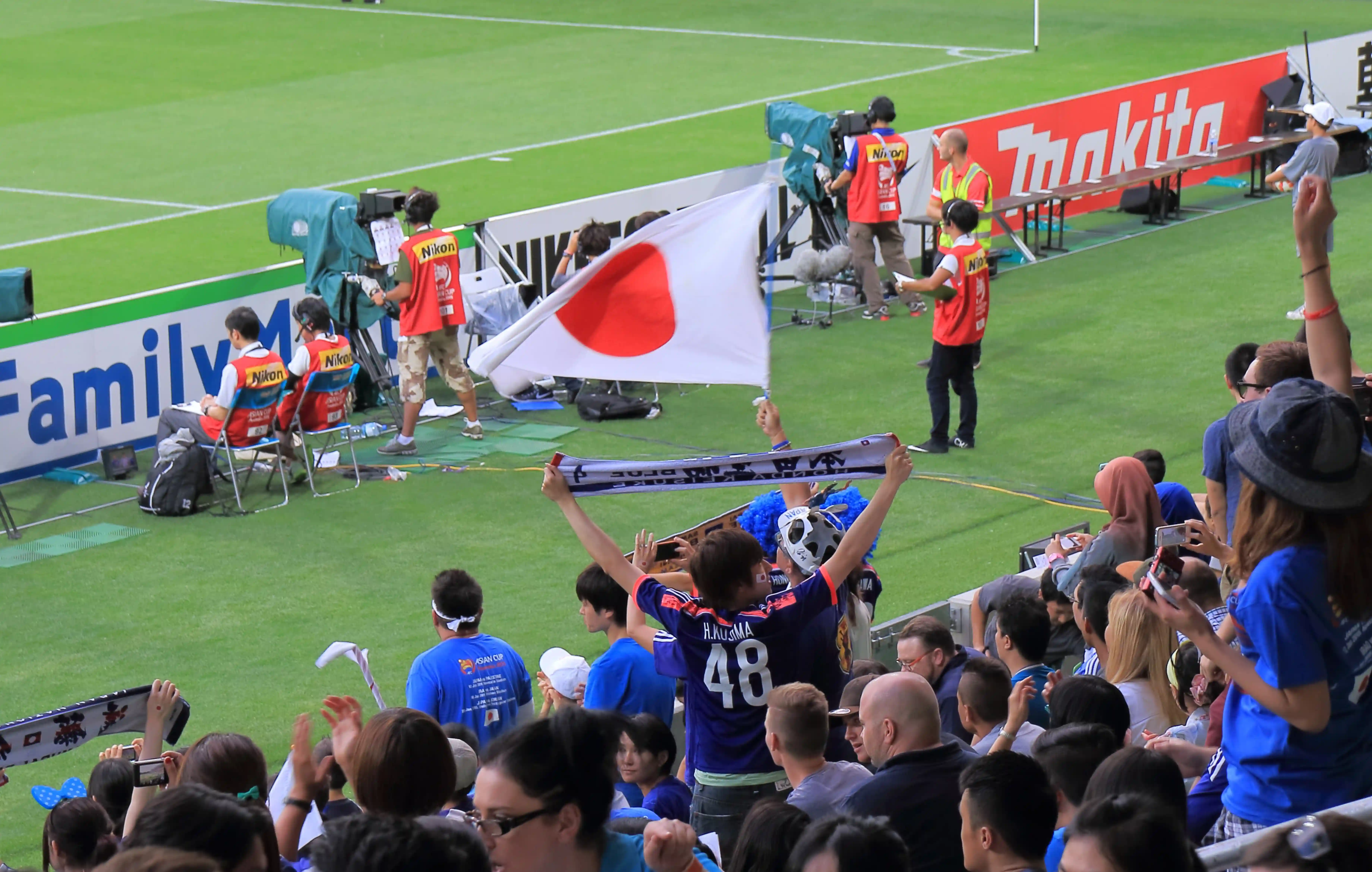
Set pieces represent a real edge for the Netherlands, with van Dijk's aerial presence and the delivery quality of de Jong and Reijnders generating danger from every corner and free kick. Japan defend these situations with discipline but can be caught on first phase flick ons. The Texas heat in June could also test the Dutch physically against a Japan team that has been pressing relentlessly through their qualifying run.
Netherlands 2-1 Japan. If they convert from a set piece, which van Dijk's aerial threat and Japan's vulnerability to first phase deliveries makes plausible, the Dutch have enough to hold it. A set piece lapse could easily get Japan back into it and Kubo remains their most dangerous individual in transition, cutting inside from the right or releasing runners in behind when space opens. The structural advantages the Dutch carry (superior squad depth against a formation that asks a great deal of Japan's wing backs in both directions) are hard to overcome for ninety minutes.

Ryan Baldi
Football Writer
Ryan Baldi is a professional football writer with years of experience and has been featured by respected outlets such as the BBC, The Guardian, Sky Sports, DAZN, FourFourTwo, ESPN, Yahoo Sport and Football365. He has also written several books including Arsène Who?.


