


Spain and Argentina meet in the 2026 FIFA World Cup final on Sunday 19 July at MetLife Stadium in East Rutherford, New Jersey, with kick-off at 3:00 p.m. ET. It is the first senior major final between these two nations (the planned 2026 Finalissima never happened): Euro 2024 holders against 2022 world champions, Spain chasing a second world title after 2010 while Argentina go for a fourth after 1978, 1986 and 2022.
Luis de la Fuente and Lionel Scaloni have never faced each other before this and their philosophies are about as different as two World Cup finalists can be. De la Fuente, in charge since 2022, has built Spain around possession and structural discipline with a generation of extraordinarily young talent, whereas Scaloni, who took over in 2018, has done something harder to replicate: constructing a team around Messi without making the whole thing collapse when Messi has a quiet night. This final is the first proper test of which approach holds up under maximum pressure.
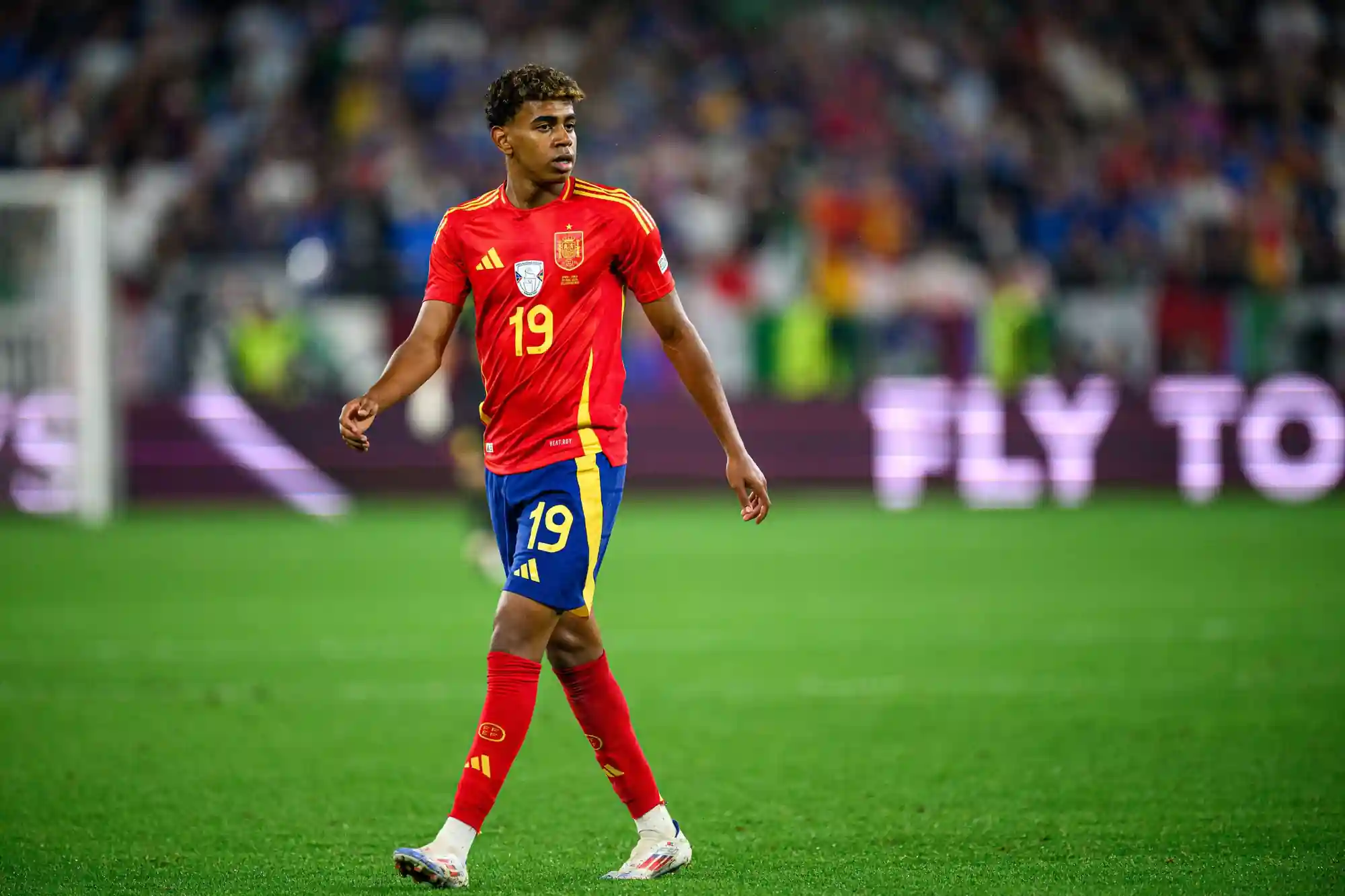
Spain have been excellent in this tournament, conceding just one goal before the final and the 2-0 semifinal win over France was built on organised pressing and precise finishing. Argentina got here with more drama: a 2-1 comeback against England in the semifinal, plus extra time wins over Switzerland and Cape Verde. Their path has been harder and messier but that is not necessarily a disadvantage in a one off final.
Both squads arrive fully fit with no injuries or suspensions. Spain are expected to set up in a 4-2-3-1 with Unai Simon in goal, a back four of Pedro Porro, Pau Cubarsi, Aymeric Laporte and Marc Cucurella, Rodri and Fabian Ruiz in the double pivot and Lamine Yamal, Dani Olmo and Alex Baena behind Mikel Oyarzabal up front. Argentina deploy a 4-3-3 that drops into a 4-4-2 without the ball, with Emiliano Martinez behind Nahuel Molina, Cristian Romero, Lisandro Martinez and Nicolas Tagliafico, while Leandro Paredes, Enzo Fernandez and Alexis Mac Allister run midfield with Messi and Julian Alvarez leading the attack.
Spain control games through patient build up and high pressing, with Rodri dictating tempo, shielding the back line and rarely giving the ball away and the midfield battle is probably where this game gets decided. Argentina sit deeper without possession and look for quick transitions, with Messi moving into half spaces between the lines and finding angles that the press cannot close off. If Rodri controls the centre over the Fernandez-Mac Allister axis, Argentina will spend long periods chasing the ball, limiting their best attacking outlet. If he cannot, Messi's transitions become far more dangerous and Spain's defensive record looks considerably less impressive against that kind of speed on the break. Yamal against Argentina's experienced full backs is the individual duel worth watching most closely, while Oyarzabal's movement against Romero and Lisandro Martinez poses a different kind of problem than a direct striker would and whether Messi can unlock Spain's press is the question the whole game turns on.
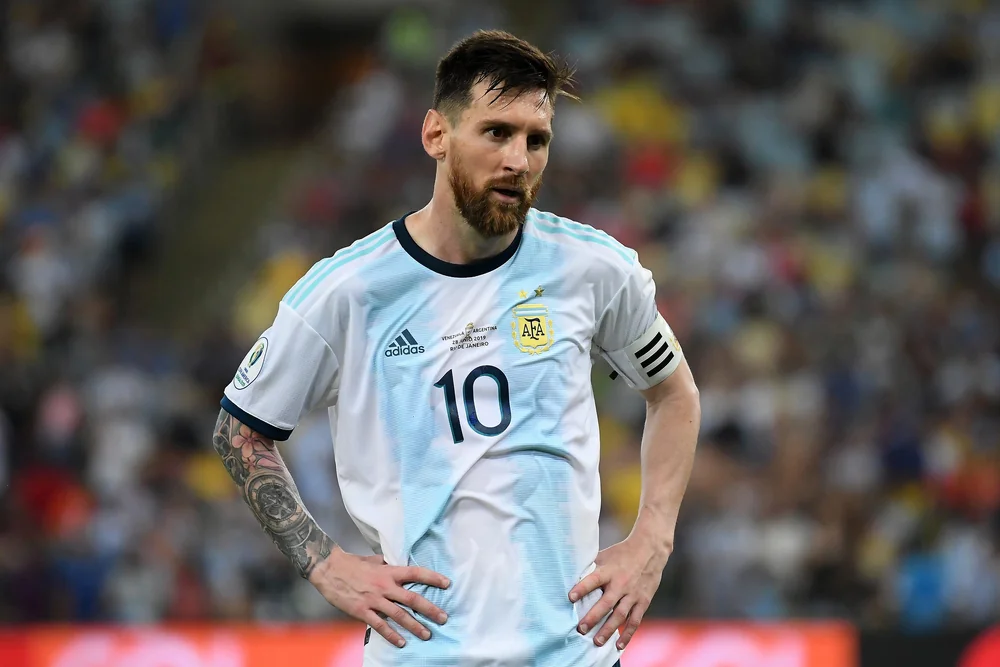
Spain have been one of the most dangerous set piece teams in the tournament, with precise delivery and organised aerial runners. Argentina carry their own danger from dead balls, with Messi's delivery and the aerial presence of Alvarez and the centre backs making them dangerous in the opposition box. The MetLife crowd will back Argentina heavily given the New York area's South American diaspora, which means Spain will be playing in something closer to a hostile away environment than a neutral final.
Spain's defensive record and how comfortably they have moved the ball suggest they will keep Argentina away from goal for long stretches but Argentina have proven all tournament that they can score without controlling the game, twice coming from behind and winning two matches in extra time. The most likely story is Spain going ahead through their system before Argentina haul level through a moment where Messi drops into space between the lines and plays someone through, with neither side able to hold a lead through 90 minutes. A 2-2 draw after 90 minutes, with the game decided on penalties or in extra time, is the most plausible outcome given how both sides have operated in the knockout rounds.

Ryan Baldi
Football Writer
Ryan Baldi is a professional football writer with years of experience and has been featured by respected outlets such as the BBC, The Guardian, Sky Sports, DAZN, FourFourTwo, ESPN, Yahoo Sport and Football365. He has also written several books including Arsène Who?.


