


Egypt sit top of Group G with four points from two matches and can book their last 16 place with a win or draw against Iran on June 27 at Lumen Field in Seattle. Iran are unbeaten on two points and need a win plus favourable results elsewhere to advance, either as a top two finisher or as one of the best third placed sides in the tournament. Belgium and New Zealand complete the group.
Hossam Hassan and Amir Ghalenoei have never faced each other as opposing managers in a competitive fixture. Hassan brings a passionate, motivational style shaped by his long playing career, while Ghalenoei leans on disciplined organisation and an ability to get results despite the kind of logistical chaos that would derail most squads.
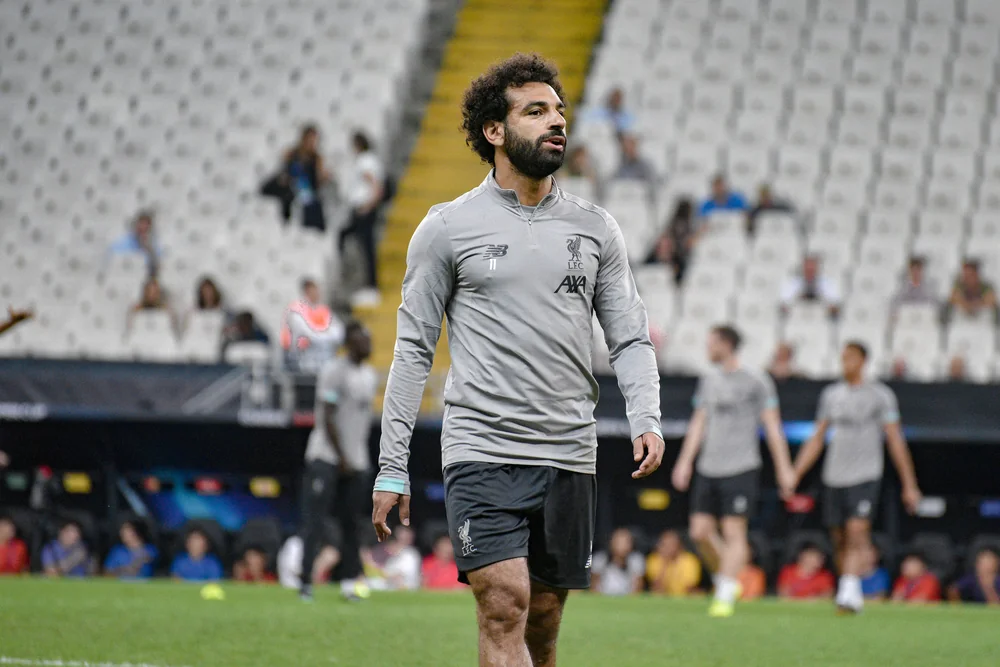
Egypt arrive with momentum after coming from behind to beat New Zealand 3-1, their first ever World Cup win, with their defence solid throughout qualifying and into the tournament. Iran have two draws and no defeats, which sounds decent until you note they have had to fight back from deficits in both games, doing so despite reported visa problems and recovery issues disrupting their preparation.
Egypt have no major suspensions, though Hossam Abdelmaguid is out injured and Hamdy Fathy is a doubt but the squad is otherwise intact. Mohamed Salah leads the line in a 4-2-3-1, with Mostafa Shobeir in goal behind a back four of Mohamed Hany, Yasser Ibrahim, Mohamed Abdelmonem and Ahmed Fatouh. Marwan Attia and Mohanad Lasheen anchor midfield, with Emam Ashour supporting the front three of Salah, Mostafa Ziko or Trézéguet and Omar Marmoush.
Iran are more disrupted, with Roozbeh Cheshmi doubtful, Alireza Jahanbakhsh and Mehdi Torabi carrying fitness concerns and Sardar Azmoun absent entirely. Their expected shape is a compact 5-4-1 with Alireza Beiranvand in goal behind a back five of Rezaeian, Khalilzadeh, Nemati, Hardani and Mohammadi. Ezatolahi and Ghoddos screen in front of them, with Taremi leading the line alongside Mohammad Mohebi.
Hassan's Egypt press high and look to get Marmoush and Trézéguet in behind opposing full backs early. Salah drops into pockets to link play, pulling Iran's defensive shape around and opening space for runners in behind. Set pieces offer yet another avenue given Egypt's aerial quality and they showed more pragmatic instincts against Belgium, sitting deeper before pushing forward once ahead.
Iran sit compact and look to hit on the break the moment they win the ball. The key battles will be Salah against Rezaeian or Hardani down the right, Marmoush probing Khalilzadeh and Nemati in the centre and Taremi and Ghoddos trying to unsettle Egypt's midfield shield of Attia, Lasheen and Abdelmonem.
These two have barely played each other, with the only result on record being a 1-1 draw in the LG Cup Four Nations on June 7, 2000.
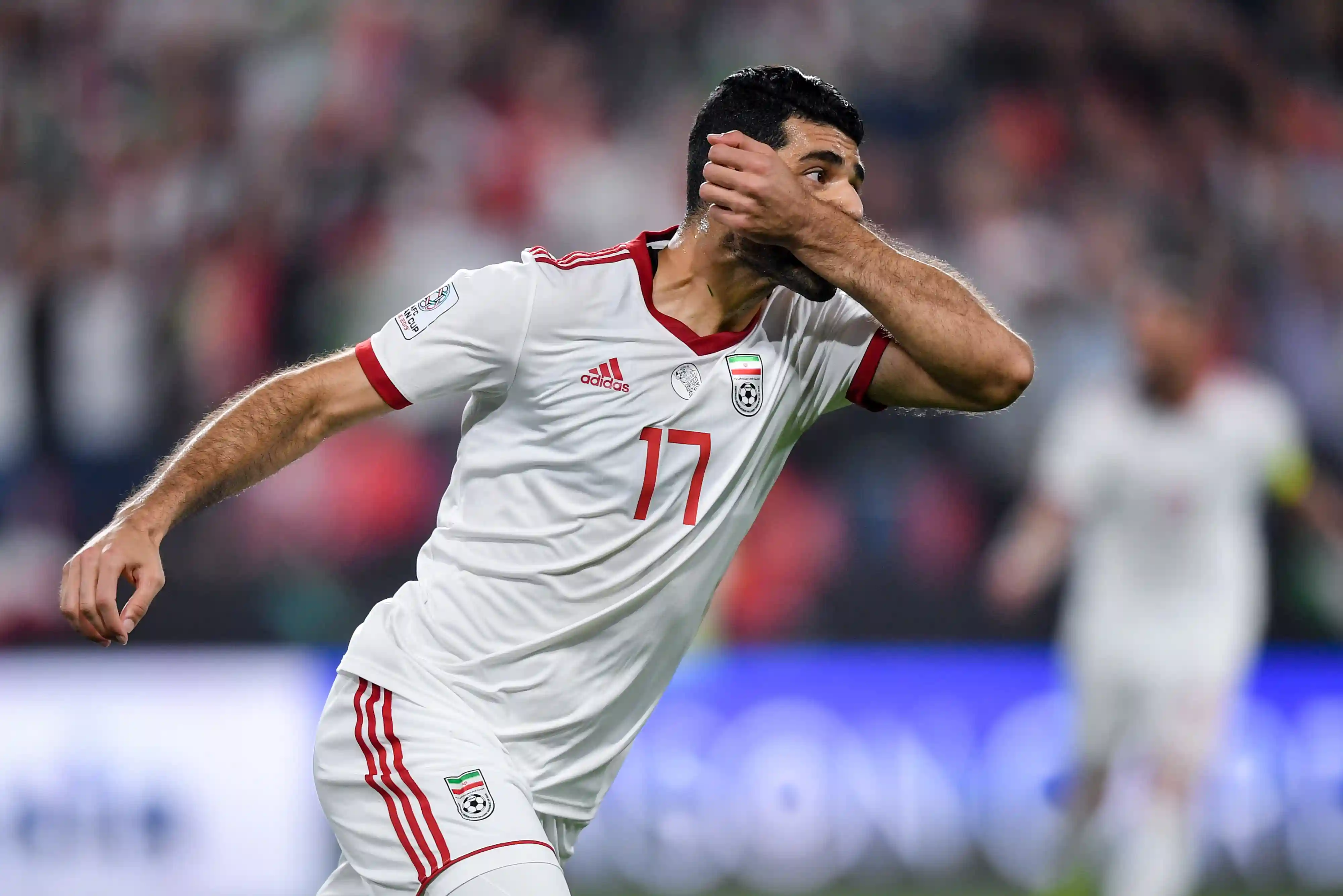
Egypt have an advantage at set pieces and Iran can threaten from dead balls too but the disruption running through Iran's camp is a genuine problem going into a must win game. Travel delays, visa issues and recovery problems have all landed in the same week and whether they can maintain their defensive intensity for ninety minutes given everything they have dealt with is a legitimate question.
Egypt 2-1 Iran. Egypt arrive on the back of a comeback win while Iran have drawn both their games from behind and that contrast matters. Marmoush and Taremi are the players to watch: Marmoush for pulling Iran's lines apart, Taremi for holding up play and releasing Ghoddos into the pockets. Iran will likely get on the scoresheet but Egypt's set piece quality and the disruption running through their camp points to the Pharaohs advancing.

Ryan Baldi
Football Writer
Ryan Baldi is a professional football writer with years of experience and has been featured by respected outlets such as the BBC, The Guardian, Sky Sports, DAZN, FourFourTwo, ESPN, Yahoo Sport and Football365. He has also written several books including Arsène Who?.


