

Iraq and Norway meet on 16 June 2026 at Gillette Stadium in Foxborough for the Group I opener at the FIFA World Cup 2026. Both sides are returning after lengthy absences (Iraq for the first time since 1986, Norway since 1998) and with France and Senegal also in the group, neither can afford a slow start. Iraq reached the finals through intercontinental playoffs, beating Bolivia 2-1, while Norway came through European qualifying convincingly.
Graham Arnold took charge of Iraq in May 2025 after Jesús Casas was dismissed, steered the team through the final qualifiers and playoffs and is contracted until after the tournament. Ståle Solbakken has been in charge of Norway since December 2020, a tenure that has produced a settled back four and a defined pressing shape. The two have never faced each other at senior international level.
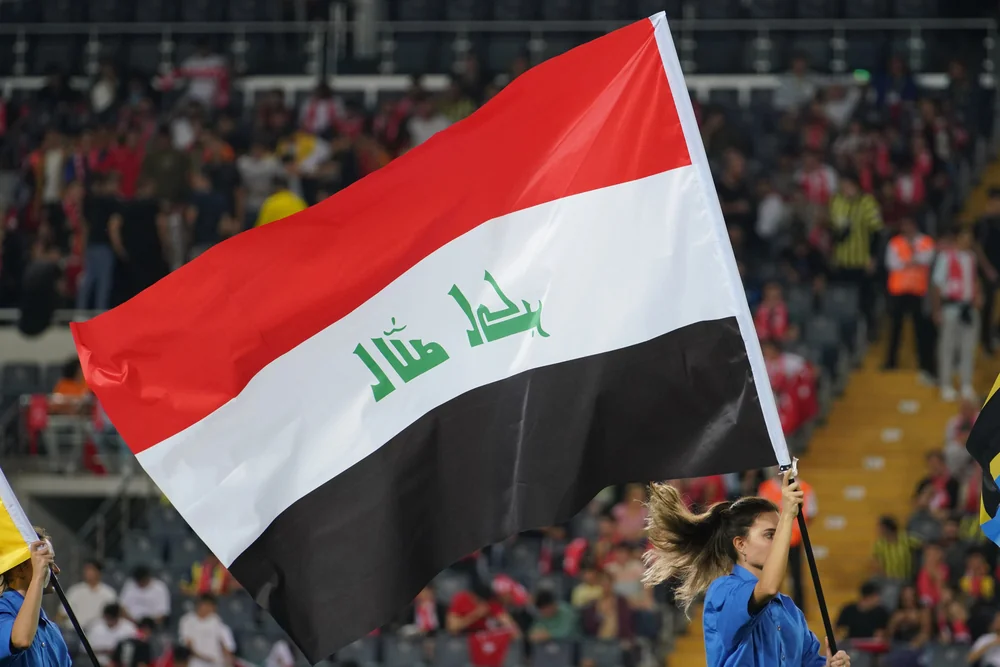
Iraq come into this with one win, one draw and one loss from their three most recent fixtures. The 2-1 playoff victory over Bolivia in March 2026 still defines their campaign and a 1-1 draw against Spain in early June saw them hold their shape and concede only from open play. A 2-0 defeat to Venezuela a week later showed how Venezuela's press repeatedly exposed the space between Iraq's midfield and defensive lines. Under Arnold they have become harder to break down, sitting in a compact block and releasing Bayesh in behind on the counter.
Norway won eight from eight in competitive qualifying, including a win over Italy and recent friendlies brought a 3-1 victory over Sweden and a 1-1 draw with Morocco, though a 0-0 stalemate with Switzerland in March is worth noting.
No significant injuries or suspensions have been flagged for either side. Iraq are expected to name Jalal Hassan in goal, with a back line featuring Hussein Ali, Zaid Tahseen and Merchas Doski, Amir Al-Ammari and Zidane Iqbal in midfield and Ibrahim Bayesh, Ali Al-Hamadi and Ayman Hussein in attack. Norway have a near full strength squad available: Ørjan Nyland in goal, Julian Ryerson, Kristoffer Ajer and David Wolfe in defence, Martin Ødegaard and Sander Berge in midfield and Erling Haaland up front with Alexander Sørloth or Antonio Nusa in support.
Norway under Solbakken control possession through Ødegaard and are a consistent set piece threat, which matters when your striker wins headers at will. Iraq under Arnold are built around compactness, sitting in a disciplined defensive shape, making themselves hard to break down and looking to exploit transitions: Bayesh and Ayman Hussein both run in behind rather than feet to feet, putting pressure on the last defender the moment Norway lose the ball. That plan worked against better opponents in qualifying and there is no reason to think Arnold abandons it here.
The battle in the middle will determine how much of this match Norway actually dominate. The two nations have never met at senior level, which arguably suits Iraq: if Ødegaard is allowed to receive between the lines and face forward, Iraq will spend most of the afternoon defending but if the midfield screen holds, the game could stay tighter than the rankings suggest.
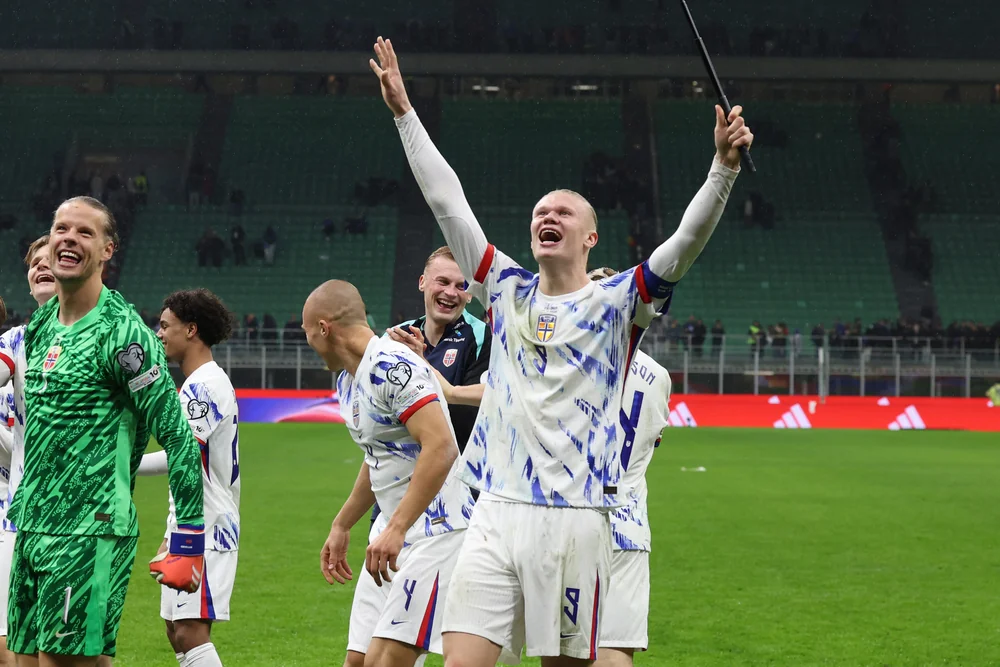
Set pieces could easily settle this. Norway deliver into Haaland's area with purpose and Iraq's centre backs will need an answer for him from the first corner. Iraq are also dangerous at dead ball situations, which may be their clearest path to goal given how little of the match they are likely to spend in possession. Pierre Atcho of Gabon will referee on 16 June, with Boston's mid summer conditions expected to be warm and potentially affecting legs in the final twenty minutes. Forty years is a long time to wait for World Cup football and Iraq came through a playoff against Bolivia when many expected them not to.
Norway to win 2-1. The specific mechanism is Haaland arriving late into the box from deliveries Iraq's centre backs cannot account for, which given his record from set pieces is the likeliest route to the two goal cushion that Norway's qualifying form suggested they are capable of. Iraq's defensive organisation is compact and their pace in transition is real: if Norway push both full backs forward simultaneously, something Solbakken's side have occasionally done late in matches they are winning, a counter goal is possible. Iraq's best hope is staying level past the 70th minute, when Norway's bench depth becomes a factor rather than an advantage.

Ryan Baldi
Football Writer
Ryan Baldi is a professional football writer with years of experience and has been featured by respected outlets such as the BBC, The Guardian, Sky Sports, DAZN, FourFourTwo, ESPN, Yahoo Sport and Football365. He has also written several books including Arsène Who?.


