


Japan go into their Group F closer against Sweden on 25 June 2026 at AT&T Stadium in Arlington, Texas, in a very different position to their opponents. Four points from a draw with the Netherlands and a 4-0 win over Tunisia mean they are virtually through to the last 16 and can seal top spot with a positive result, whereas Sweden, on three points after a 5-1 win over Tunisia and a 1-5 thrashing by the Netherlands, need a win and favourable results elsewhere. That gap in stakes is what shapes this game more than anything else: Japan can sit back and absorb, Sweden cannot.
Hajime Moriyasu has managed Japan since 2018 and built a side defined by continuity, organisation and high pressing, while Graham Potter took over Sweden more recently, though the Netherlands game exposed real defensive fragility - this is their first meeting as managers. Japan arrive on a six match unbeaten run with five wins and a draw, keeping five clean sheets along the way and the 4-0 demolition of Tunisia was the first time an Asian side had scored four goals in a single World Cup game. Sweden's run is patchier, with three wins, a draw and two losses in their last six. The 5-1 win over Tunisia looked like a statement, the 1-5 implosion against the Netherlands followed four days later. Sweden can score but they shipped five against the Netherlands without ever looking like stopping them.
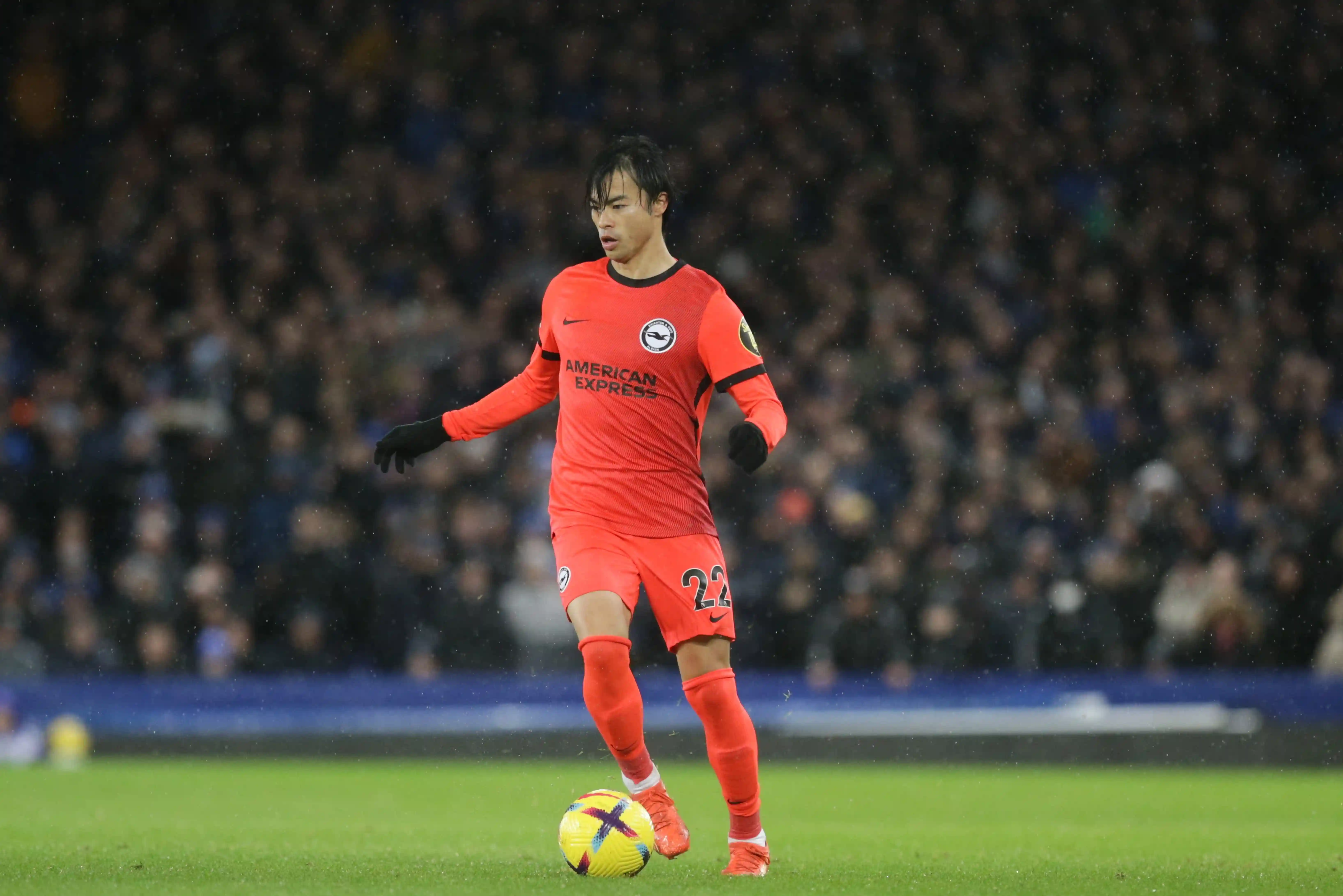
Japan are without captain Wataru Endo through injury but are otherwise healthy and will likely rotate having used 22 of their 26 man squad already, with a 4-2-3-1 or 4-3-3 expected featuring Zion Suzuki in goal, Itakura and Hiroki Ito at centre back, Doan and Junya Ito wide and Ueda up front. Sweden have no significant injury concerns, which lets Potter name the attacking shape that worked against Tunisia, likely a 4-3-3 or 4-2-3-1 with Lindelof and Hien at centre back, Gudmundsson and Svensson at full back, Ayari and Svanberg anchoring midfield and Elanga, Gyokeres and Isak leading the line.
Japan press high, transition quickly and are compact without the ball. Sweden rely heavily on Gyokeres and Isak, who between them scored four against Tunisia and whether Itakura and Hiroki Ito can track that movement across 90 minutes is the central defensive question. Midfield may well be where this is decided: if Kamada and Tanaka can disrupt Sweden's build-up before the ball reaches Isak and Gyokeres, Japan won't need to defend as deep and Sweden's build-up was pulled apart by the Netherlands so Japan's press will test the same seams. Sweden's need for a goal will pull Gudmundsson and Svensson higher, opening the channels for Japan's wide players to run into.
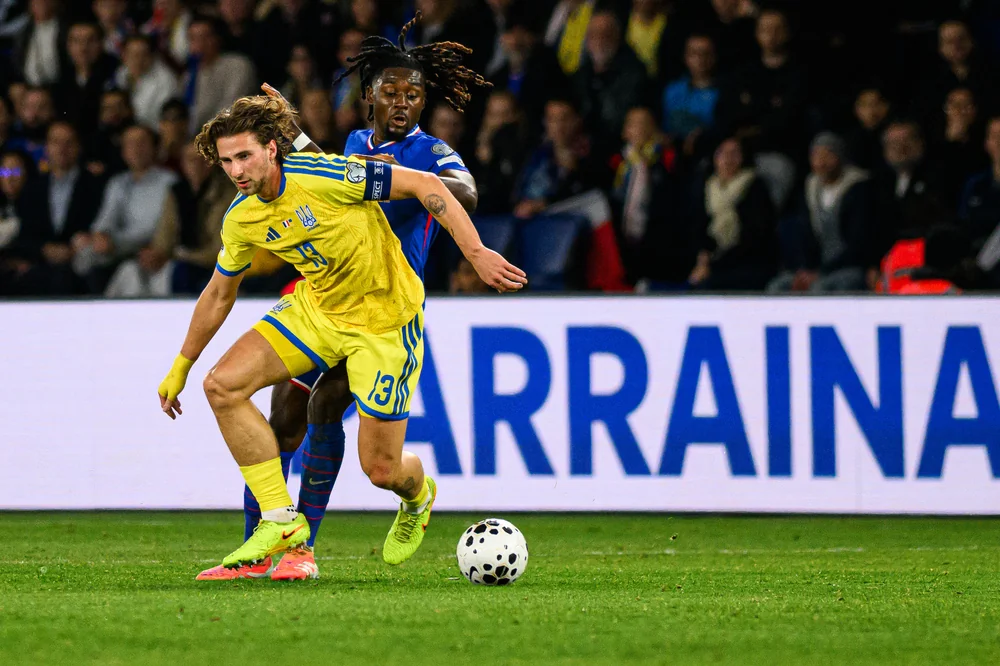
The two sides have met four times and Japan have not won any of them, recording three draws and one defeat. The last encounter was a 1-1 friendly in 2002, so there is no meaningful competitive history to lean on here.
Japan kept a clean sheet against the Netherlands, who are a stronger attacking unit than Sweden, which gives Itakura and Hiroki Ito reason for confidence against Isak and Gyokeres. Sweden conceded five to the Netherlands and looked disorganised in transition and Japan's pace in behind will test the same problems. Sweden's need to chase the game opens the channels and Japan 2-1 Sweden feels like the right call. The main risk is Japan conceding early and having to come from behind against a front three that punished Tunisia's high line but on balance this is Japan's game.

Ryan Baldi
Football Writer
Ryan Baldi is a professional football writer with years of experience and has been featured by respected outlets such as the BBC, The Guardian, Sky Sports, DAZN, FourFourTwo, ESPN, Yahoo Sport and Football365. He has also written several books including Arsène Who?.


