


Tunisia are in desperate shape at the 2026 FIFA World Cup, sitting bottom of Group F after a 5-1 hammering from Sweden and now facing Japan, who drew 2-2 with the Netherlands in their opener. The match takes place on 21 June at Estadio BBVA in Monterrey and carries a historical footnote: it is reportedly the 1,000th game in World Cup history. For Japan, a win puts them in a strong position to reach the knockouts. For Tunisia, the maths is brutal: lose and they are almost certainly going home.
Hervé Renard took charge of Tunisia only days before the tournament began, replacing Sabri Lamouchi with almost no preparation time. He brings World Cup pedigree, having guided Morocco in 2018 and Saudi Arabia in 2022 but he is walking into this one as cold as any manager could be. Hajime Moriyasu, by contrast, has had Japan since 2018, building a side that defends from a compact mid block, rarely panics and executes set pieces with unusual reliability. The two coaches have not met before but Renard's instinct to organise defensively and hit teams on the counter will run headlong into a Japan side that wants to press, keep the ball and exploit dead ball situations.
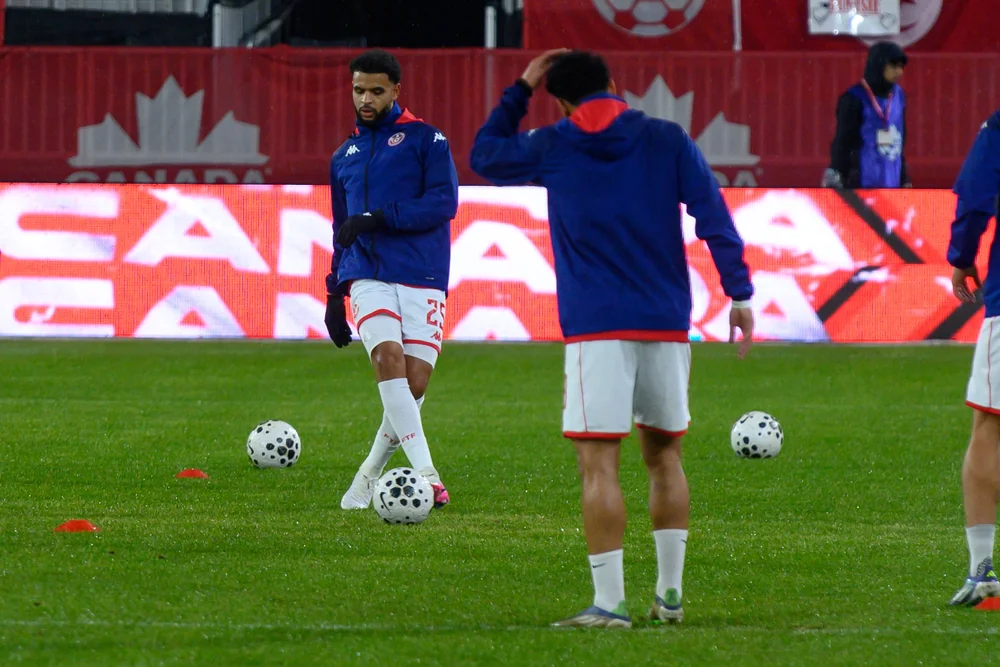
Tunisia's recent form tells its own story: heavy defeats to Sweden and Belgium, a narrow loss to Austria and a goalless draw against Canada across six matches. Japan have gone five matches unbeaten, keeping clean sheets in three friendlies against Iceland, England and Scotland.
Neither side has suspension issues. Tunisia will likely line up with Ellyes Skhiri captaining the midfield, Omar Rekik and Montassar Talbi in defence and Hannibal Mejbri in an advanced role where he tends to drift between the lines and press Japan's centre backs into mistakes. Japan are without Takefusa Kubo through injury but Daichi Kamada, Daizen Maeda and Ayase Ueda are all available and Wataru Endo is expected to play despite a minor fitness concern.
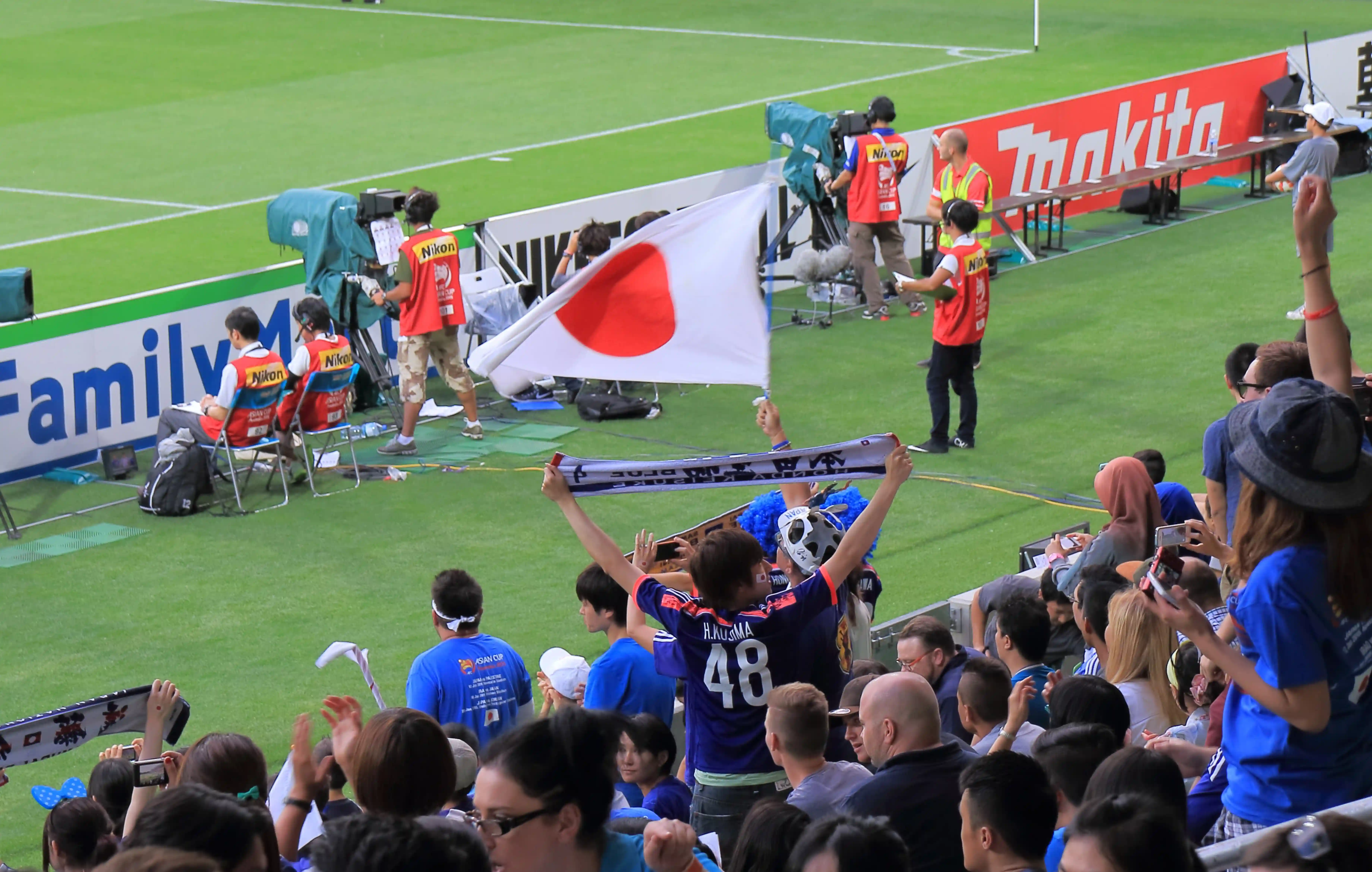
Tunisia will almost certainly sit deep and look to counter, which is exactly what Renard's teams do, with Skhiri anchoring the midfield while Elias Achouri and Ismael Gharbi look to get forward in transition. Japan's approach is the opposite, built on possession, movement and relentless pressing, making the real contest whether Skhiri can stop Kamada receiving the ball between Tunisia's lines or whether Ao Tanaka can disrupt Tunisia's attempts to play out from the back. Japan score from set pieces regularly under Moriyasu, while Tunisia will look to Rekik's aerial presence in the box from corners and free kicks. Japan have won four of the five previous meetings with Tunisia, including the 2002 World Cup group stage and a 2023 friendly, with their only loss coming in a 2022 friendly and Tunisia have never beaten them in a competitive fixture.
Japan should win this. Tunisia's defensive discipline under Renard could keep it competitive in the opening exchanges and Mejbri is the kind of player who drifts between Japan's lines and makes life awkward with his pressing resistant close control but Renard simply has not had time to build anything here. Tunisia are likely to run out of legs in the second half, given the Monterrey heat and the limited preparation time Renard has had to build any kind of fitness base. Japan win 2-1, with goals from Maeda or Ueda around half time and a late consolation from Tunisia.

Ryan Baldi
Football Writer
Ryan Baldi is a professional football writer with years of experience and has been featured by respected outlets such as the BBC, The Guardian, Sky Sports, DAZN, FourFourTwo, ESPN, Yahoo Sport and Football365. He has also written several books including Arsène Who?.


