


The 2026/27 Serie A season opens with Parma hosting Cagliari at Stadio Ennio Tardini on 22 August 2026, with both clubs entering the campaign after finishing 13th and 14th respectively in 2025/26. This is a fixture where neither side will be chasing glory: consolidation is the goal and how comfortably that consolidation goes can be shaped by what happens on opening day. Parma and Cagliari want the same thing, which is to avoid the lower reaches, build some consistency and stay out of the bottom four through the autumn. Points from early rounds matter in Serie A, where the gap between a comfortable mid table finish and an anxious winter can be decided by September.
Carlos Cuesta took charge at Parma on 1 July 2025, replacing Cristian Chivu, while Fabio Pisacane assumed control of Cagliari on 11 June 2025 after Davide Nicola's departure, later extending his contract through June 2028. Direct meetings between them are limited, so there is no real history to draw on. Their approaches diverge: Cuesta sets Parma up in a 3-5-2, building from the back through a patient passing structure, while Pisacane prioritises compactness above everything else. That contrast makes for a tactically specific contest even without a shared track record to reference.
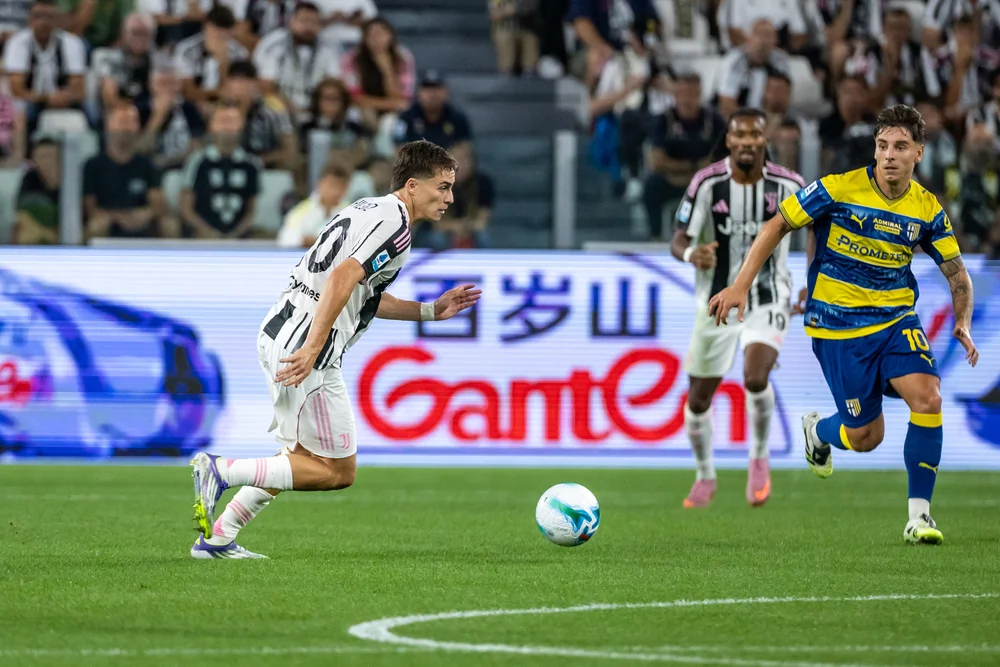
There are no 2026/27 form sequences to report since the campaign is only just beginning, so what both squads carry into this fixture is the shape of last season. Parma's 13th place finish under Cuesta reflected growing defensive cohesion blended with an increasingly confident possession game, while Cagliari's 14th reflected a low block that funnelled opponents wide and made them genuinely difficult to score against. The frameworks from 2025/26 give each team something to fall back on.
Both coaches can select from full strength squads, with no reported absences on either side, which means the contest is decided by preparation rather than circumstance. Parma line up in a 3-5-2, a shape that gets wing backs into advanced positions early while central midfielders circulate through the defensive and midfield thirds. The block stays compact, inviting pressure before looking to release runners in behind once the opposition's midfield steps up to press. There are Arteta-esque possession elements here, though it sounds fancier in description than in practice: they build from the back and circulate patiently but they are not a particularly attacking team. Whether that patient build-up can produce chances inside the box against Cagliari, or just a lot of comfortable possession without end product, is the central problem Cuesta has not yet fully solved.
Cagliari counter with something more pragmatic: a compact shape that funnels opponents wide and contests the resulting second balls. Cagliari need to disrupt Parma's passing structure before the hosts settle into it and Parma need to find a way through or around that low block, whether through set pieces or by drawing the press and playing through it. If Parma establish control and circulate patiently, Cagliari may sit even deeper and the game becomes about whether Parma can create chances in the final third. If Cagliari score on the counter, Parma's defensive line could be stretched quickly on the follow-up. Both coaches fielding their preferred structures without forced adjustments means the result will reflect tactics rather than squad management.
Recent meetings between these two have ended in draws more often than not, with multiple 1-1 results on record and Parma's last victory coming roughly three years ago. That record suggests both defences are genuinely difficult to break down rather than simply compact by reputation and a scoreline of 1-1 appears in enough of these head-to-heads to make it the default assumption rather than a cautious guess.
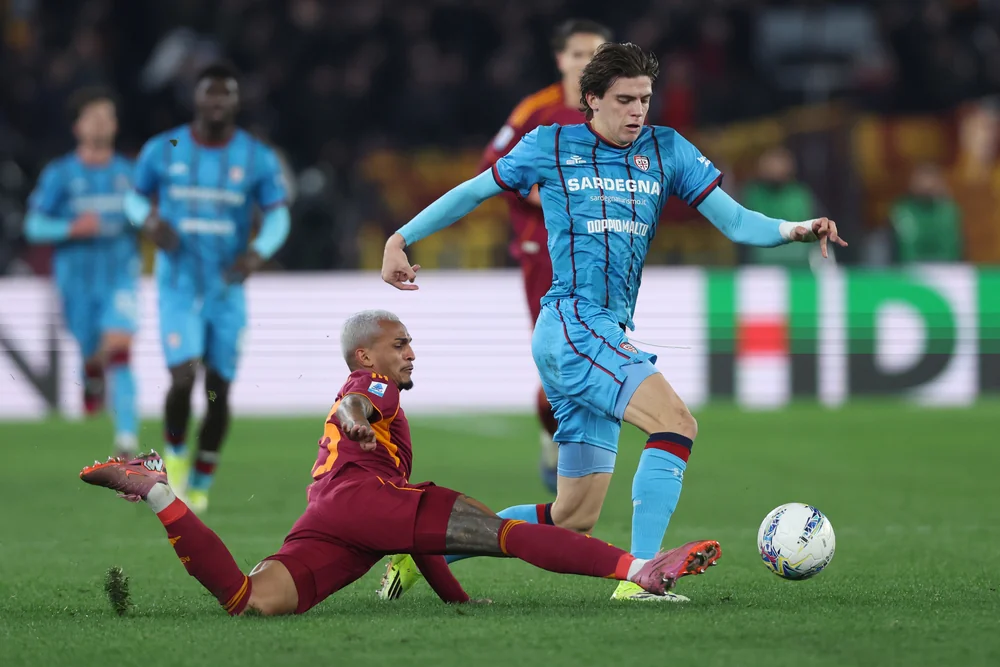
Both teams defend in organised shapes and Parma may look to exploit delivery into the box from dead balls, which is where a 3-5-2 gives you numbers to attack at both posts. Nothing suggests weather or pitch conditions will play a role. Neither side's mid table track record suggests they will take unnecessary risks to force a result and pre-season preparations will reinforce rather than alter the defensive instincts both coaches favour.
The head-to-head history and the tactical picture point in the same direction: a 1-1 draw. Parma's possession game may generate enough pressure to open the scoring but Cagliari have the shape and organisation to respond. If Parma dominate without converting, Cagliari will find one transition to capitalise on. If Cagliari score first, Parma will push more bodies forward and accept the defensive risk, likely equalising through a set piece or a sustained late spell of pressure. Both scenarios end in the same scoreline, consistent with the pragmatic philosophy both coaches have built since taking charge in 2025. A draw is the honest call, not a hedge.
Ryan Baldi
Football Writer
Ryan Baldi is a professional football writer with years of experience and has been featured by respected outlets such as the BBC, The Guardian, Sky Sports, DAZN, FourFourTwo, ESPN, Yahoo Sport and Football365. He has also written several books including Arsène Who?.


